.avif)

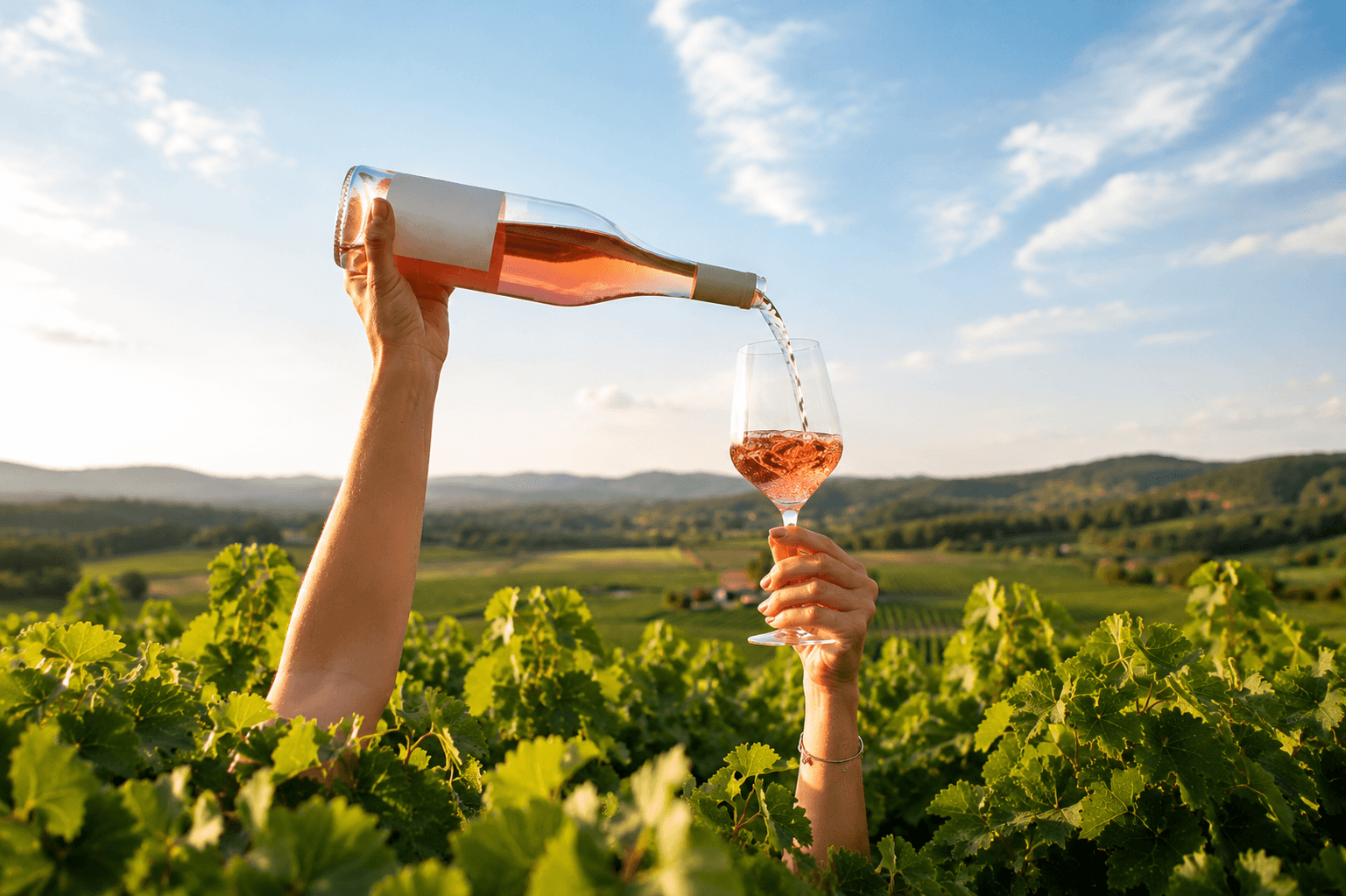
Per molte cantine, l'estate non è semplicemente un periodo di intensa attività.
È il momento in cui nasce una parte significativa delle relazioni con i clienti che genereranno valore durante tutto l'anno.
I visitatori scoprono nuove cantine.
I turisti prenotano degustazioni.
I wine club acquisiscono nuovi membri.
Le vendite dirette aumentano.
E le esperienze di ospitalità influenzano la percezione del marchio nel lungo periodo.
Tuttavia, ogni anno la competizione per attirare l'attenzione dei visitatori diventa più intensa.
I viaggiatori confrontano le esperienze più rapidamente, pianificano sempre più online e prendono decisioni basandosi sulla visibilità digitale, sulle recensioni, sulle raccomandazioni e sulla facilità di prenotazione.
Le cantine che ottengono i migliori risultati durante l'alta stagione raramente sono quelle che fanno più marketing.
Sono spesso quelle che costruiscono percorsi cliente più chiari e memorabili.
Ecco otto campagne concrete che le cantine possono lanciare quest'estate per aumentare la visibilità, migliorare il coinvolgimento degli ospiti e rafforzare le vendite dirette.
1. Create esperienze estive a tempo limitato
Uno dei modi più semplici per aumentare il coinvolgimento consiste nel rendere le esperienze stagionali ed esclusive.
L'estate crea naturalmente un senso di urgenza.
Alcuni esempi:
- degustazioni al tramonto,
- picnic tra i vigneti,
- serate dedicate ai rosati,
- eventi di abbinamento cibo-vino,
- concerti dal vivo,
- visite durante la golden hour,
- o anteprime della vendemmia.
L'obiettivo non è necessariamente la complessità.
È lasciare un ricordo duraturo.
Le esperienze legate a un momento specifico dell'anno tendono a funzionare meglio sia online sia attraverso il passaparola.
Generano inoltre maggiori opportunità di condivisione sui social media e favoriscono prenotazioni più rapide.
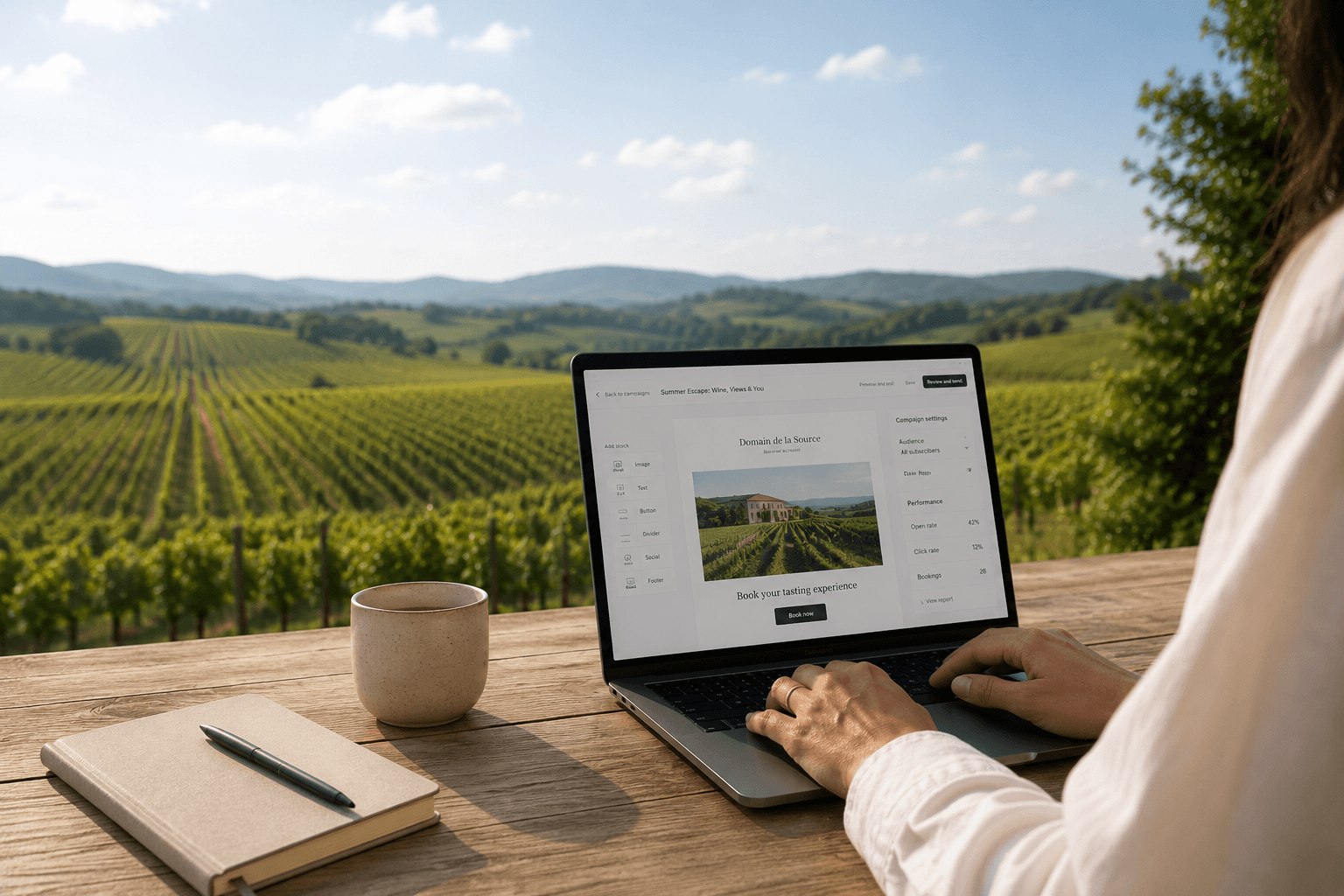
2. Trasformate i visitatori in clienti futuri
Una delle maggiori opportunità perse durante l'estate è concentrarsi esclusivamente sulla visita.
Il traffico turistico è prezioso perché crea opportunità di vendita future.
Un visitatore che arriva a luglio può diventare:
- un cliente ecommerce,
- un membro del wine club,
- un ospite abituale,
- o un ambasciatore del marchio.
Ma solo se esiste continuità dopo la visita.
Piccole azioni possono fare una grande differenza:
- raccogliere le preferenze degli ospiti,
- promuovere l'iscrizione al wine club,
- ottenere il consenso per le comunicazioni email,
- personalizzare il follow-up dopo la visita.
L'estate non dovrebbe limitarsi a generare vendite.
Dovrebbe rafforzare relazioni durature.
3. Ottimizzate le prenotazioni da mobile prima dell'alta stagione
Molte cantine investono molto per attirare visitatori ma sottovalutano le difficoltà presenti nel processo di prenotazione.
Durante l'estate il comportamento di prenotazione è sempre più mobile.
I viaggiatori cercano e prenotano esperienze:
- mentre sono in viaggio,
- tramite mappe digitali,
- attraverso i social media,
- o tramite raccomandazioni generate dall'intelligenza artificiale.
Se il processo di prenotazione è lento, poco chiaro o difficile da utilizzare da smartphone, i tassi di conversione diminuiscono rapidamente.
Un'esperienza di prenotazione moderna dovrebbe essere:
- veloce,
- intuitiva,
- multilingue,
- e senza attriti.
Perché oggi visibilità e conversione sono strettamente collegate.
4. Create contenuti basati sulle ricerche estive
L'estate modifica il comportamento di ricerca dei viaggiatori.
Invece di termini generici, cercano sempre più spesso:
- «migliori cantine vicino a me»
- «pranzo in vigneto»
- «degustazione al tramonto»
- «cantina adatta alle famiglie»
- «degustazione con abbinamento gastronomico»
- «esperienze in cantina all'aperto»
Le cantine che allineano contenuti, landing page, fotografie e descrizioni delle esperienze a queste ricerche stagionali migliorano sensibilmente la propria visibilità.
Questo è particolarmente importante mentre evolvono la ricerca basata sull'IA e la scoperta conversazionale.
Le aziende che comunicano chiaramente le proprie esperienze diventano più facili da raccomandare.
5. Utilizzate gli eventi per aumentare l'affluenza nei giorni feriali
Durante l'estate i fine settimana tendono a riempirsi naturalmente.
La vera opportunità si trova spesso nei giorni infrasettimanali.
Una programmazione strategica può aiutare a distribuire meglio la domanda:
- serate con l'enologo,
- collaborazioni con chef locali,
- degustazioni educative,
- eventi arte e vino,
- esperienze aziendali,
- serate stagionali di abbinamento.
L'obiettivo non è solo aumentare la partecipazione.
Si tratta di coinvolgere maggiormente gli ospiti nei periodi meno richiesti e offrire esperienze che i concorrenti potrebbero non proporre.
6. Migliorate le opportunità fotografiche per gli ospiti
L'estate è una stagione altamente visiva.
I visitatori condividono spontaneamente le esperienze che meritano una fotografia.
Questo non significa che le cantine debbano trasformarsi in attrazioni Instagram.
Ma alcuni dettagli fanno la differenza:
- l'allestimento degli spazi,
- i punti panoramici sul vigneto,
- la segnaletica,
- l'illuminazione,
- la presentazione,
- e l'atmosfera generale.
Sempre più spesso gli ospiti promuovono la cantina attraverso le proprie condivisioni.
Le aziende che comprendono questa dinamica amplificano la propria visibilità in modo naturale.
7. Semplificate gli acquisti in cantina
Molte cantine continuano a sottovalutare gli attriti che si verificano dopo la degustazione.
Code alle casse, sistemi scollegati o procedure di pagamento complicate possono ridurre silenziosamente le vendite durante i periodi più intensi.
L'ospitalità moderna si basa sulla fluidità.
I sistemi POS mobili e le infrastrutture di vendita integrate consentono al personale di concludere gli acquisti in modo naturale durante l'esperienza, sia in sala degustazione, all'aperto, durante eventi o direttamente tra i vigneti.
Più semplice è la transazione, più fluida sarà l'esperienza complessiva.
8. Guardate oltre il traffico estivo
Le cantine che traggono il massimo beneficio dall'estate non sono necessariamente quelle che accolgono più visitatori.
Sono quelle che mantengono la relazione nel tempo.
Idealmente, l'estate dovrebbe rafforzare:
- la fidelizzazione,
- la crescita del wine club,
- le vendite dirette,
- la lealtà dei clienti,
- e la familiarità con il marchio nel lungo periodo.
Perché il vero valore dell'alta stagione non è solo il fatturato immediato.
Sono le future relazioni con i clienti che vengono costruite durante questo periodo.
Considerazioni finali
L'estate rimane uno dei momenti più importanti per l'ospitalità del vino.
Ma le cantine che ottengono i migliori risultati nel 2026 sono sempre più quelle che combinano:
- eccellente ospitalità,
- semplicità operativa,
- visibilità digitale,
- ed esperienze cliente connesse.
Il marketing da solo non basta più.
L'intero percorso del cliente conta più che mai.
In Vintrail, questa è una delle ragioni per cui prestiamo particolare attenzione alla continuità tra prenotazioni, vendite dirette, comunicazioni con gli ospiti, CRM e infrastruttura di ospitalità, aiutando le cantine a creare esperienze più fluide sia durante che dopo la visita.